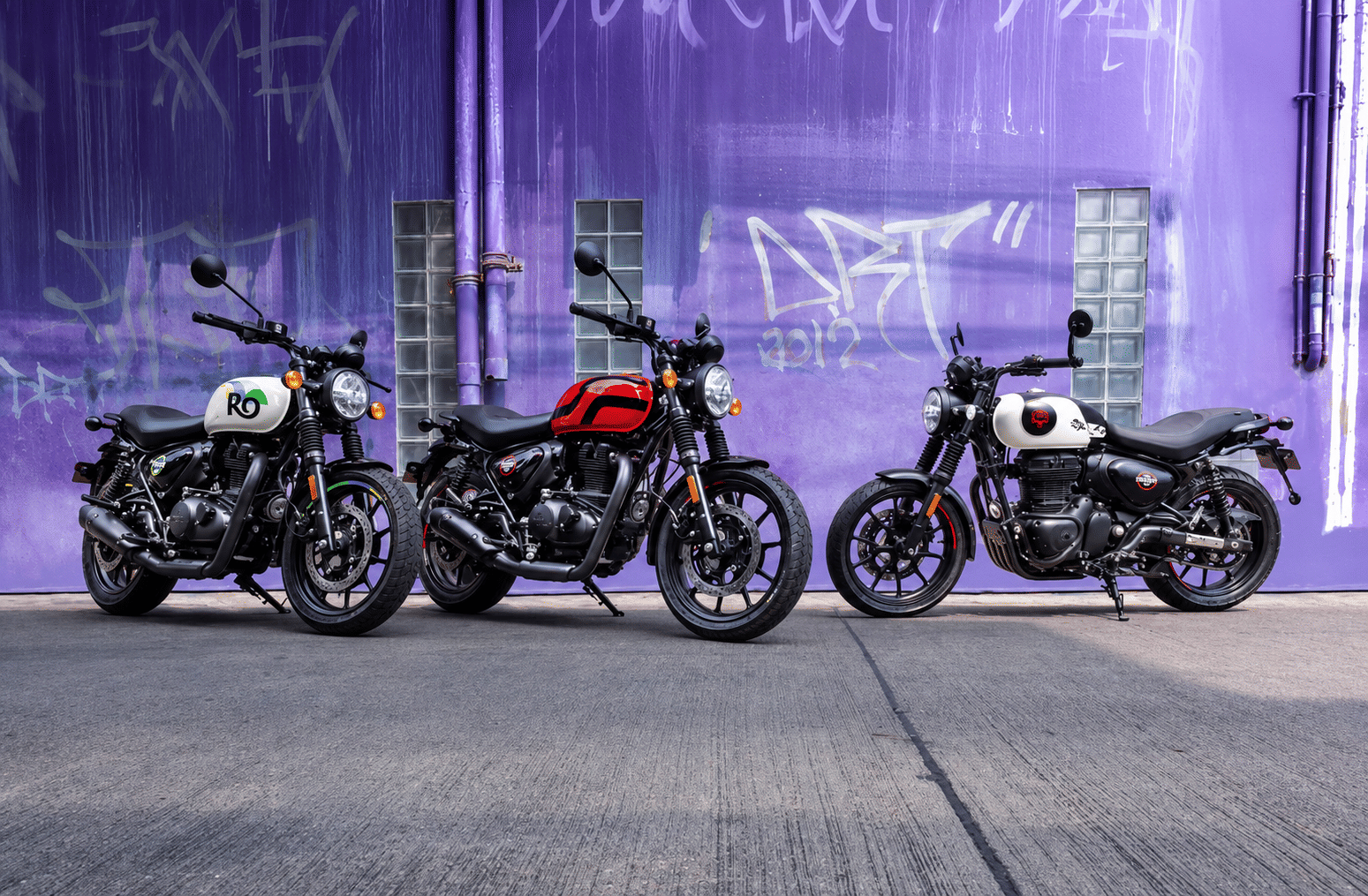
Royal Enfield just posted another strong month, and the headline number is hard to miss: 1,26,479 motorcycles sold in August 2026, an 11% jump over the same month last year. For buyers tracking the brand’s momentum, this matters because the growth is still being driven by the motorcycles most Indian customers actually shop for — the 350cc range.
The numbers came through Eicher Motors’ monthly sales update, which also showed VE Commercial Vehicles reporting an 18% rise in August sales. We’ve covered that separately in our VECV August sales report and the Royal Enfield August sales update, but the big story here is that Royal Enfield continues to be the engine room of Eicher Motors’ growth.
Domestic sales rose 11% to 1,14,204 units, while exports climbed 10% to 12,275 units. That domestic strength is especially important because it usually translates into stronger dealer throughputs, healthier waiting periods on popular models, and better negotiating leverage for the brand in the festive season.
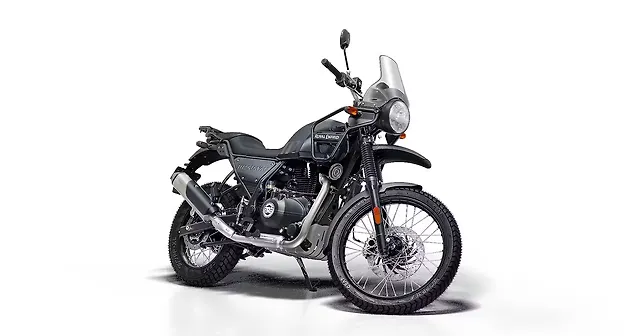
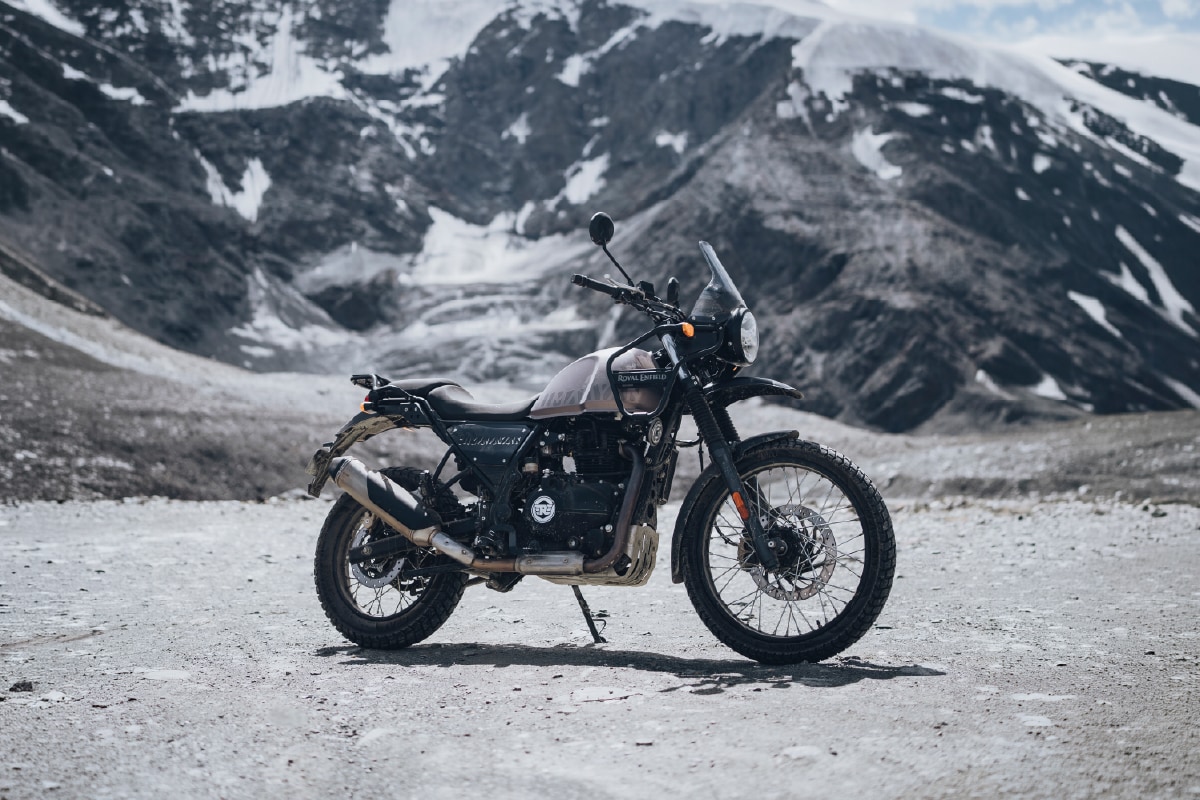
The split by engine capacity tells you even more. Motorcycles up to 350cc — including the Classic 350, Bullet 350, Hunter 350 and Meteor 350, plus the company’s electric models — grew 15% to 1,13,143 units. Bikes above 350cc, which cover the Himalayan 450, Guerrilla 450, Interceptor 650, Continental GT 650 and Super Meteor 650, fell 13% to 13,336 units.
That’s an important signal for Indian shoppers. Royal Enfield’s volume story is still the accessible, everyday end of its lineup, not the bigger twins. If you’re cross-shopping in this space, the obvious rivals are the Honda CB350, Jawa 350, Yezdi Roadster, Triumph Speed 400, TVS Ronin, and in some cases even the Bajaj Pulsar NS400Z depending on how performance-led you want to go.
For the buyer, the 350cc Royal Enfields still make the most sense as long-distance, easy-to-live-with retro commuters. The Classic 350 remains the emotional pick; the Hunter 350 is the lighter, more urban option; the Meteor 350 is the relaxed cruiser; and the Bullet 350 keeps the old-school charm alive. These motorcycles are powered by Royal Enfield’s 349cc air-oil cooled J-series engine, tuned for low-end torque rather than outright speed. Depending on the model, output sits around 20.2 bhp and 27 Nm, and the real appeal is tractability, not numbers on a spec sheet.
If you’re budgeting, current ex-showroom prices in India broadly start around ₹1.50 lakh for the Hunter 350 and go up to roughly ₹2.36 lakh for higher-spec Classic 350 variants, while the Meteor 350 and Bullet 350 sit in between. On-road prices will vary sharply by state, insurance, registration and accessories, so check with your nearest dealer before assuming a final figure.
This month also brought a few product and brand updates that keep the story interesting beyond just sales. Royal Enfield launched the Classic 350 Gorkha Edition in India and Nepal, and refreshed the Continental GT 650 with a blacked-out treatment, LED trafficators and a USB Type-C fast-charging port. Those aren’t volume movers in the way the 350s are, but they keep the showroom conversation fresh.
There’s also a useful read-through for anyone interested in the company’s future direction. Royal Enfield said the Flying Flea C6 has crossed 50,000 customer-driven kilometres in Bengaluru alone, which shows the electric programme is moving from concept chatter to real-world testing. The brand’s community-led push remains a big part of its identity too, from HunterHood to GRRR Nights and its planned One Ride gathering.
On the business side, Eicher Motors is also in focus for investors. The company has scheduled an analyst meet with ICICI Securities on September 4, and market watchers will be looking for hints on festive demand, export traction and the pace of new model rollouts. Those questions matter because August’s sales strength was broad, but not evenly spread across the portfolio.
If Royal Enfield can keep the 350cc range moving into the festive period, it will have a strong base to build on. The bigger challenge is to revive the above-350cc lineup and stabilise exports, both of which are crucial if the brand wants growth to look balanced rather than purely India-led.