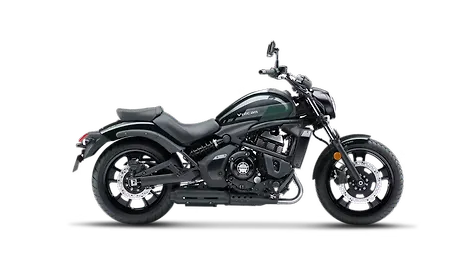
The Kawasaki Vulcan S has never tried to shout for attention. That remains true for 2027 too. Instead of a full overhaul, Kawasaki has given its middleweight cruiser a light refresh: a new colour, a modest torque correction and smaller brake discs at both ends.
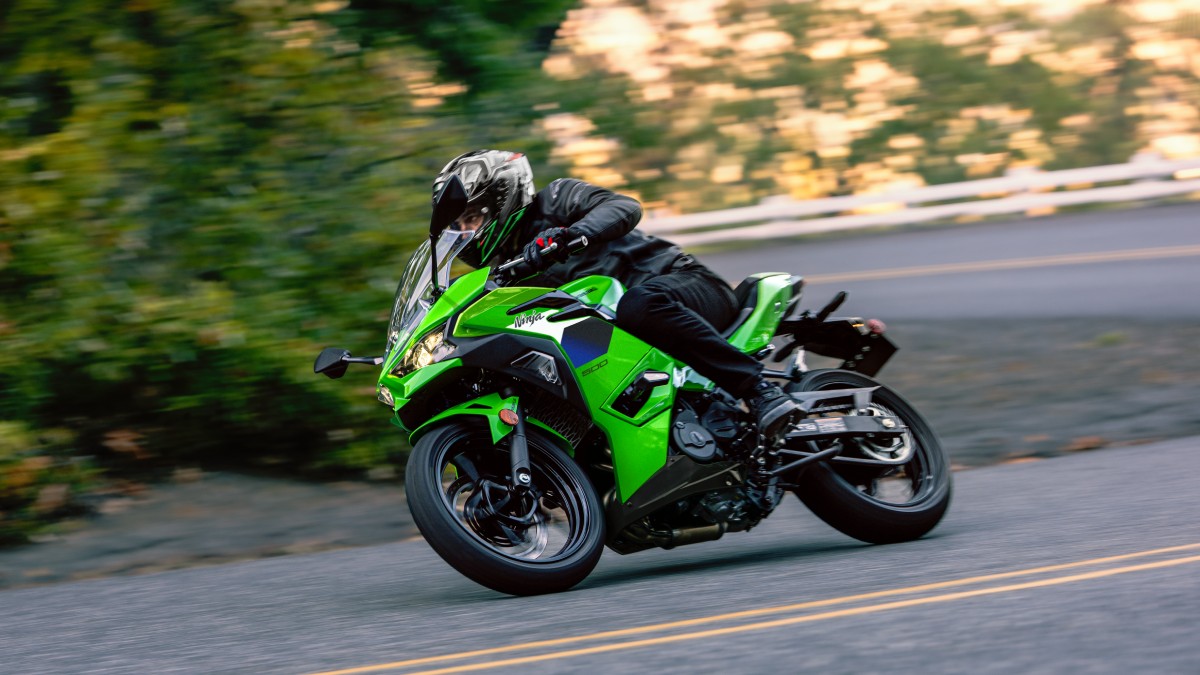
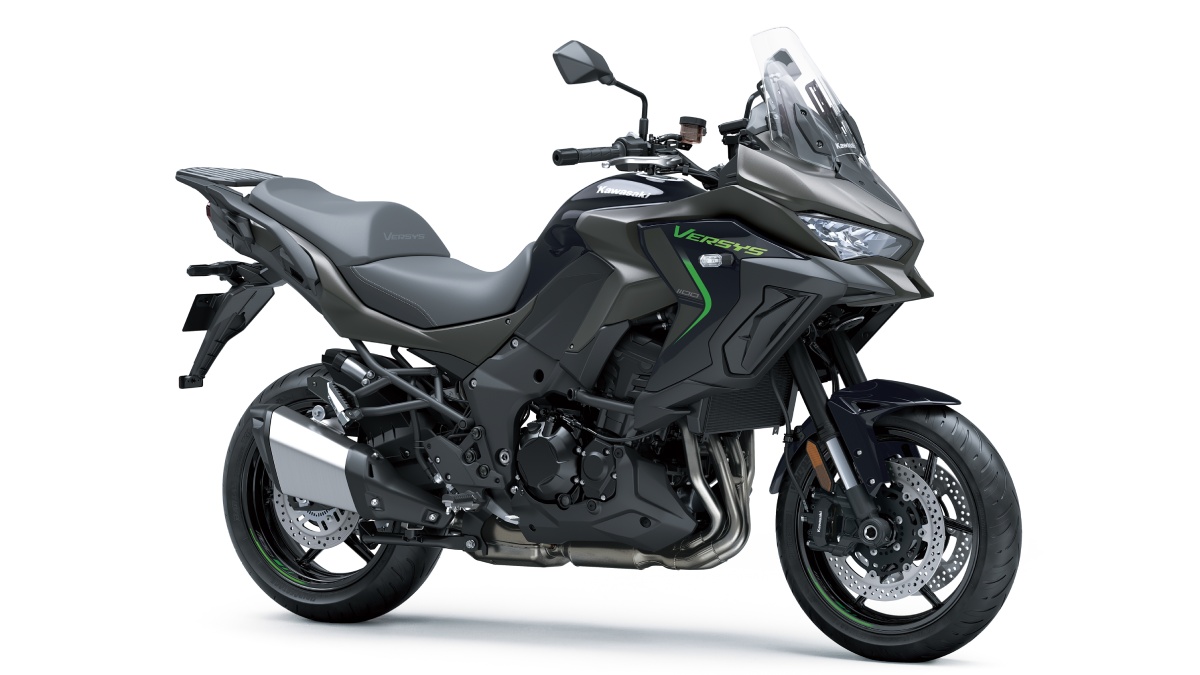
Priced at ₹8.23 lakh ex-showroom, the 2027 Vulcan S is now ₹10,000 pricier than before. Deliveries are expected to begin from mid-September 2026. For buyers, that keeps it in the premium cruiser corner of the market, where it will be sized up mainly against the Royal Enfield Super Meteor 650 and, depending on budget and taste, bikes like the 2027 Kawasaki Versys 1100 or even the 2027 Kawasaki Ninja 500 for those looking at Kawasaki’s broader middleweight range.
What has changed for 2027?
Visually, the headline update is the new Metallic Carbon Gray paint scheme with bluish-green highlights. It replaces the older darker finish and gives the Vulcan S a slightly fresher, less anonymous look without changing its overall stance. Kawasaki still sells the bike as a long, low cruiser with a relaxed seat and chunky proportions.
The engine update is more notable than the styling tweak, even if it sounds minor on paper. The 649cc, liquid-cooled parallel-twin now makes 61 hp at 7,500 rpm and 62.4 Nm at 6,600 rpm. Power is unchanged, but torque has been restored to the earlier figure after the previous version had lost 1.4 Nm.
That engine is familiar across Kawasaki’s 650cc family, also powering the Ninja 650 and Versys 650 in different states of tune. In the Vulcan S, it remains paired with a 6-speed gearbox and tuned for easygoing, relaxed cruising rather than hard-charging performance.
The other update is less glamorous. Kawasaki has reduced the front brake disc size from 300 mm to 272 mm and the rear from 250 mm to 216 mm. That sounds odd on a bike that has just become slightly more expensive, and it will be interesting to see if the change affects braking feel in the real world.
Low seat, heavy-ish kerb weight, easy manners
Where the Vulcan S continues to score is accessibility. The 705 mm seat height is still one of the lowest in this class, and that matters in the real world. Shorter riders should find it far easier to plant both feet compared to many other cruisers and retro bikes. Kawasaki’s under-engine exhaust also helps keep the centre of gravity low.
Kerb weight remains 235 kg. That’s not light, but the low seat and low-slung layout should make it feel less intimidating at parking-lot speeds than the number suggests.
Suspension is unchanged too:
- 41 mm telescopic fork with 130 mm travel
- Rear monoshock with 80 mm travel and preload adjustability
Ground clearance is still 130 mm, so speed breakers and steep ramps will continue to demand the usual cruiser caution.
Features are still kept simple
Kawasaki hasn’t tried to dress up the Vulcan S with flashy tech. The feature list stays deliberately basic, which may appeal to riders who want a straightforward motorcycle instead of a gadget-heavy one.
It gets:
- Analogue-digital instrument cluster
- Gear position indicator
- Dual-channel ABS
- Adjustable brake and clutch levers
- 7-step preload adjustment for the rear shock
There’s no traction control, no riding modes and no TFT display. For some buyers, that will be a drawback. For others, it just keeps the bike honest.
The brand’s Ergo-Fit system is still a key part of the Vulcan S pitch. Kawasaki says it offers 18 possible rider configurations through seat, handlebar and footpeg adjustments, which should help the bike fit a wider range of body types than many cruisers do.
Who should be looking at it?
The Vulcan S is not a mass-market cruiser, and it never will be. It is for someone who wants Japanese refinement, a low seat and a calmer riding posture, but does not necessarily want the old-school thump-and-chrome formula.
That makes it an interesting alternative to the Royal Enfield Super Meteor 650, which is far more affordable but also very different in feel and character. Buyers who are shopping in this bracket may also cross-shop the Benelli 502C or the Kawasaki Eliminator, depending on whether they want more classic cruiser styling or a lighter, more approachable stance.
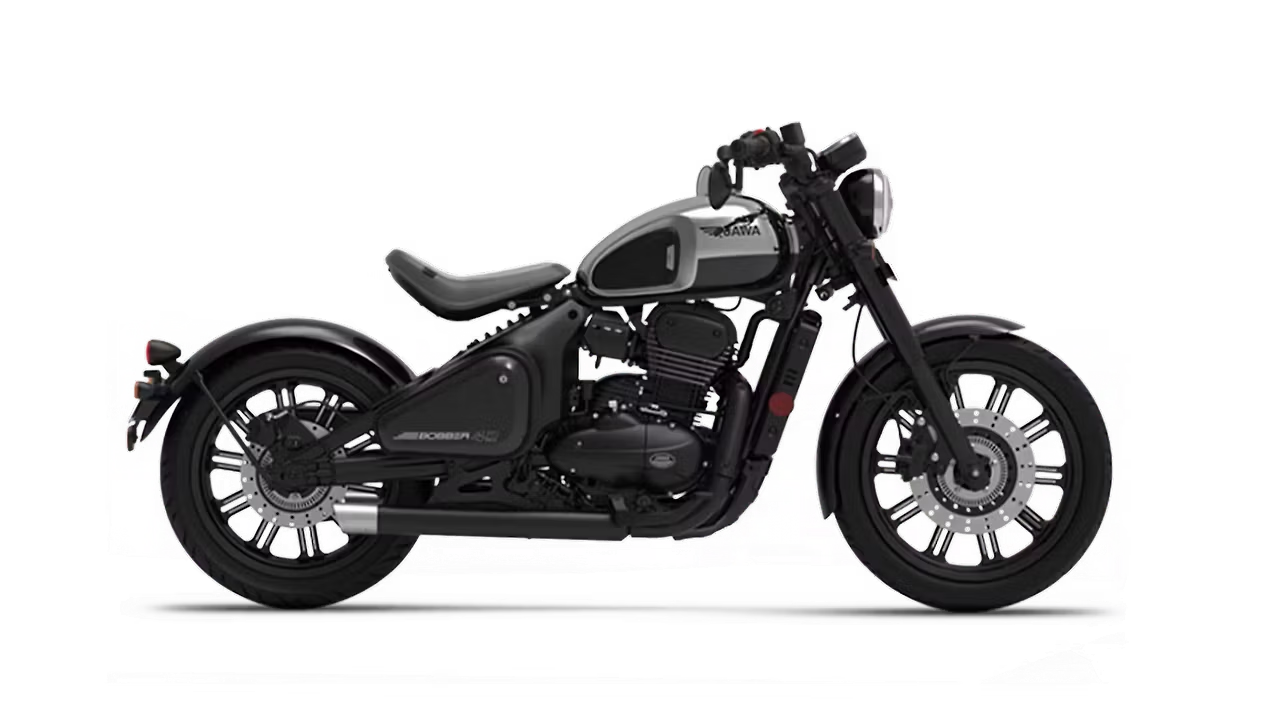
The Vulcan S also arrives at a time when Kawasaki seems content to make small, careful changes rather than chase headlines. We saw a similar approach with the Jawa 42 All Stars and the Jawa 42 Bobber All Stars, where cosmetic updates and small spec shifts were the story rather than radical reinvention. Kawasaki’s playbook here feels familiar: tweak the package, keep the core, move on.
If you want a cruiser with low seat height, a friendly engine and a premium badge, the Vulcan S still has a clear case. If you were hoping for a bigger feature jump or a more meaningful hardware rethink, 2027 doesn’t quite deliver that. It does, however, keep Kawasaki’s middleweight cruiser in the game with just enough freshening to justify the new model-year badge.